
Special Issue: Water Narratives
24 December 2025
Published online 24 December 2025
The frameworks, trade-offs, and science shaping water in the Arab world
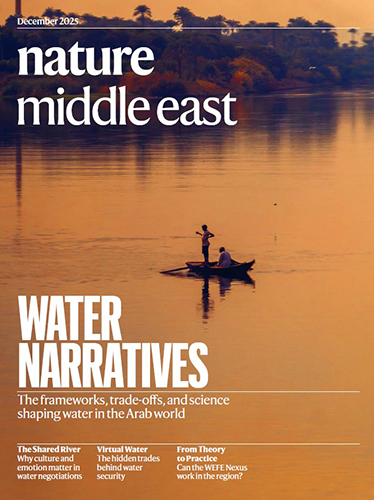
In this special issue, we look at some of the research, history, politics, and economies of water. Water research in the region spans diverse interdisciplinary domains with studies tackling climate change, agriculture, desalination, technology, and social, economic, and political issues.
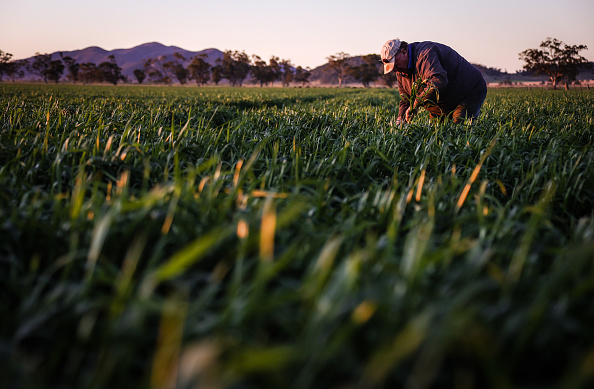
While importing supplies may ease pressure on local water resources in some countries in MENA, it can also lead to a decline in self-sufficiency and increase reliance on exports.
Hadeer Elhadary
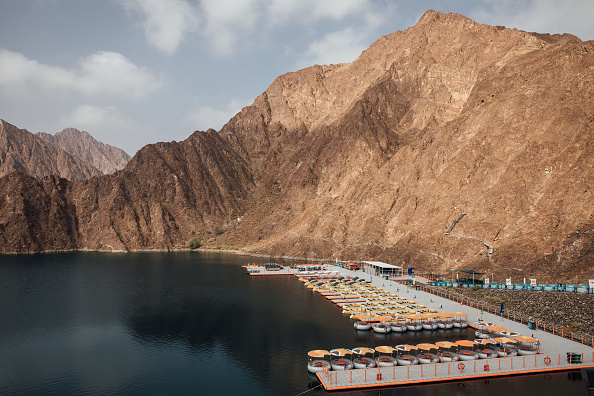
Arab countries are turning the Water–Energy–Food–Ecosystems Nexus from theory into practice. But while pilots in Egypt, the UAE, and Morocco show promise, experts warn the framework applications remain distant from the theory's ambitious goals.
Ayah Aman
A legally binding WEFE Nexus framework could turn water from a source of vulnerability into a driver of resilience.
Jauad El Kharraz, CEO of Water-Energy-Climate Experts Network (WECEN)
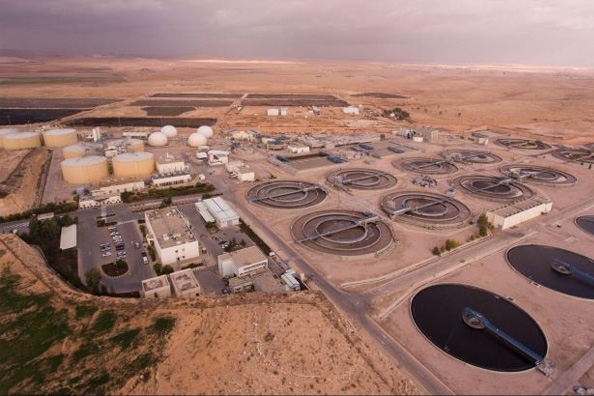
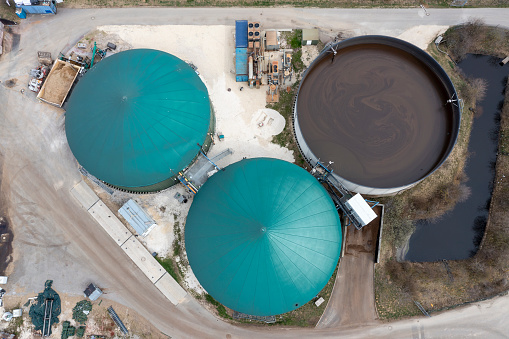
As water scarcity deepens across MENA, wastewater use is emerging as a solution. We look at projects and technologies being adopted across the region.
Rasha Dewedar
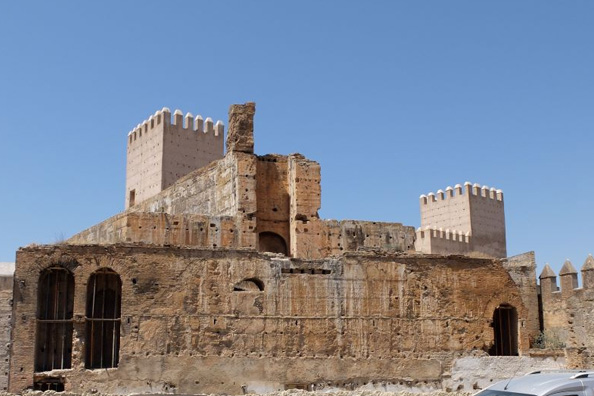
Five historic sites demonstrate how water was engineered, honoured, and transformed into a lasting part of the Arab heritage.
Ifath Arwah
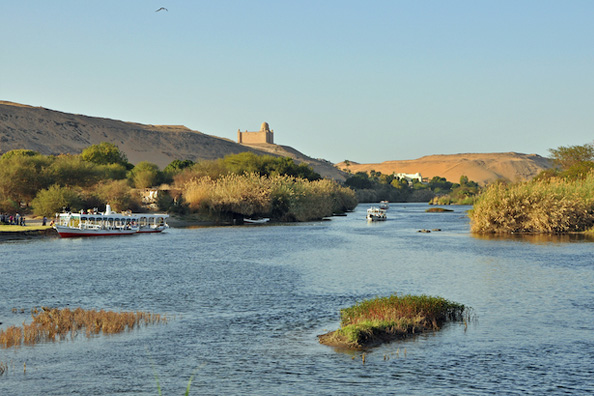
While most comments on the inauguration of the Grand Ethiopian Renaissance Dam have focused on its technical and geopolitical implications, we argue that to reach an agreement, the three riparian countries should also consider the symbolic and emotional dimensions of the river.
Emanuele Fantini, IHE Delft Institute for Water Education
doi:10.1038/nmiddleeast.2025.225
24 December 2025
24 December 2025
24 December 2025
Sign-up to receive our e-alert update every two weeks to keep up with everything new on the portal.
Sign up for e-alerts
Stay connected: